Study Visit of Tourism Students to Eastern Herzegovina
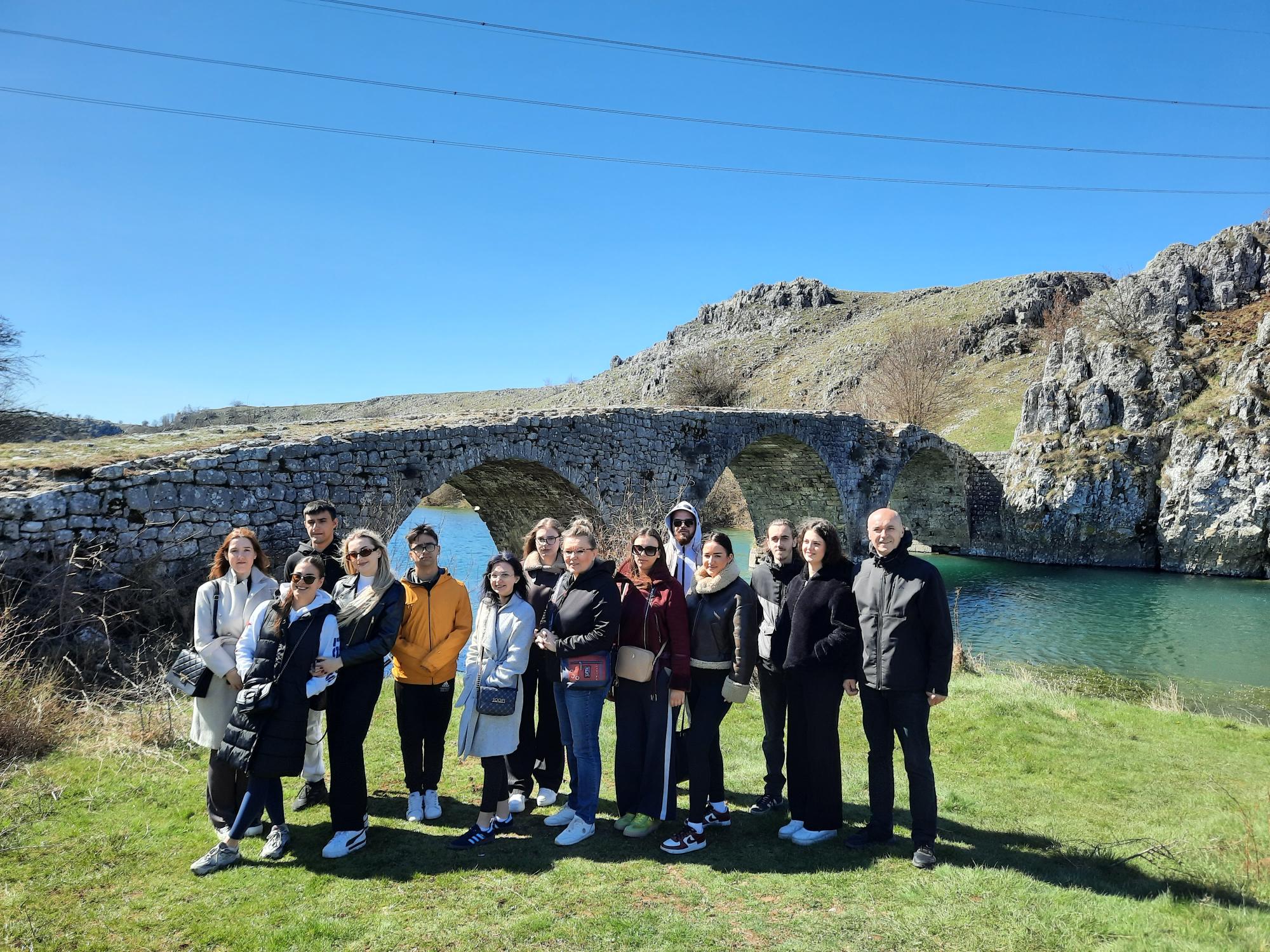
Second- and third-year students of the Faculty of Natural Sciences and Mathematics, University of Banja Luka, Study Program in Geography, Tourism Department, together with professors Dr. Draško Markinović and Dr. Aleksandra Petrašević, had the opportunity, in cooperation with the Tourist Organization of the Republic of Srpska, within the SMART ERA project, to explore the tourist values of the rural area of Eastern Herzegovina. Representing the Tourist Organization, Ana Lakić, Head of the Development Sector and collaborator on the SMART ERA project, participated, with project coordination by Dr. Slavica Samardžija within the Slow Food organization. The aim of this study visit was to connect the educational process, institutions, and the local community, while applying the principles of sustainable development in rural tourism.
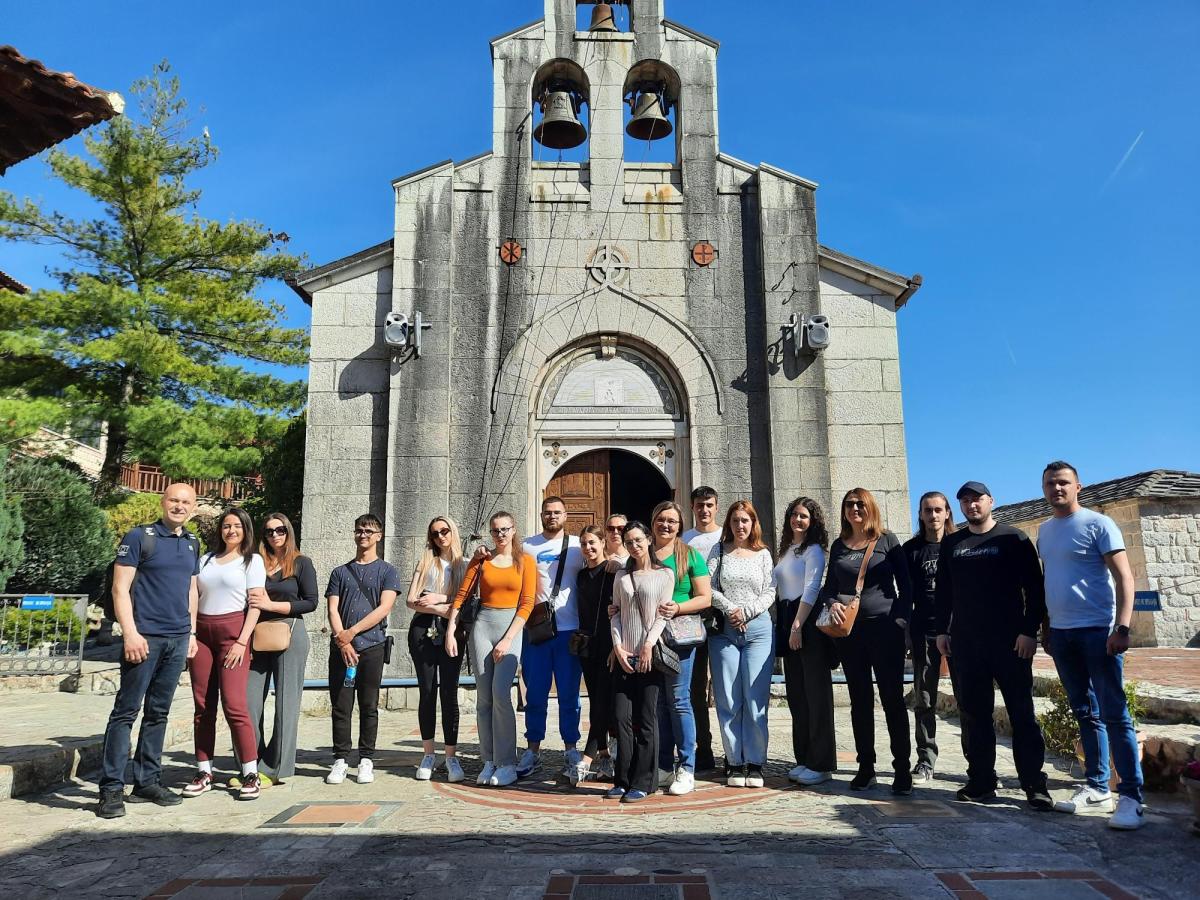
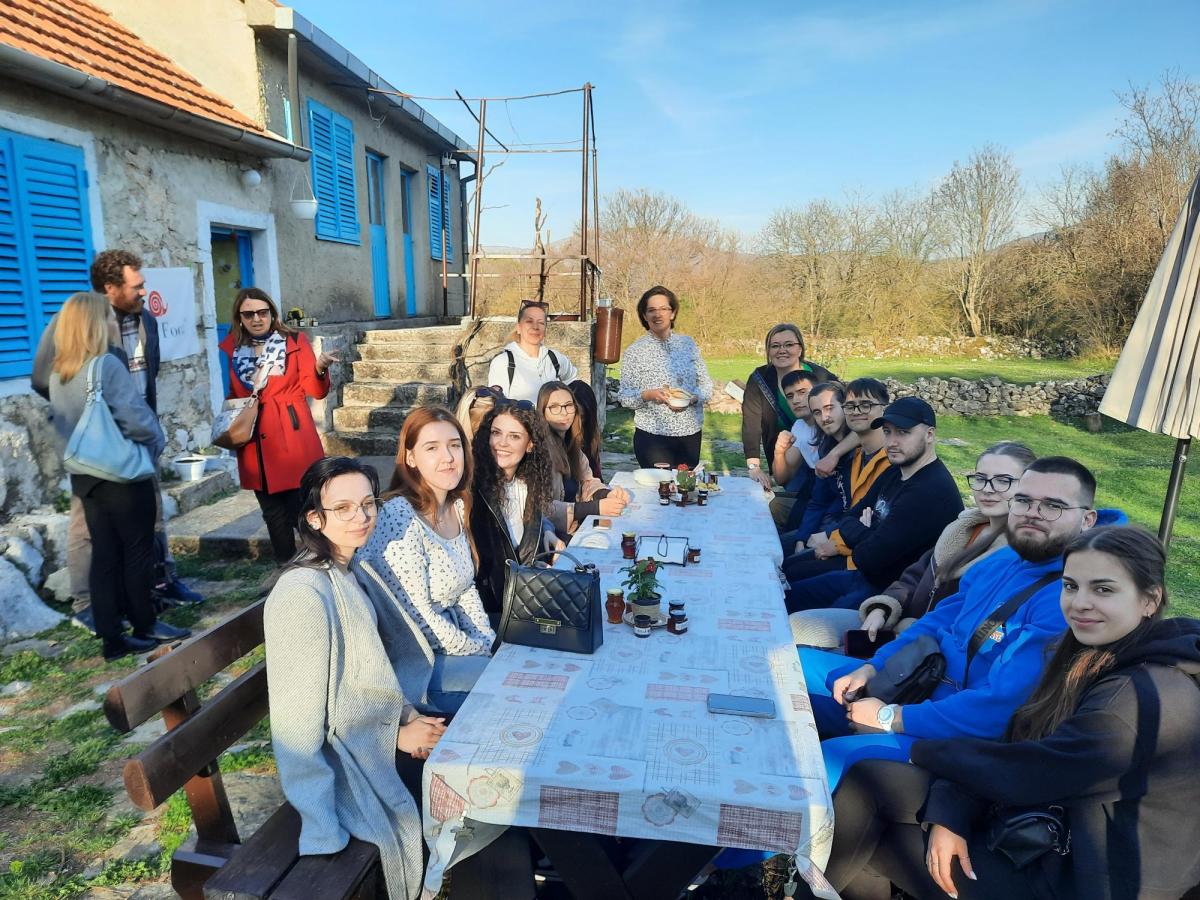
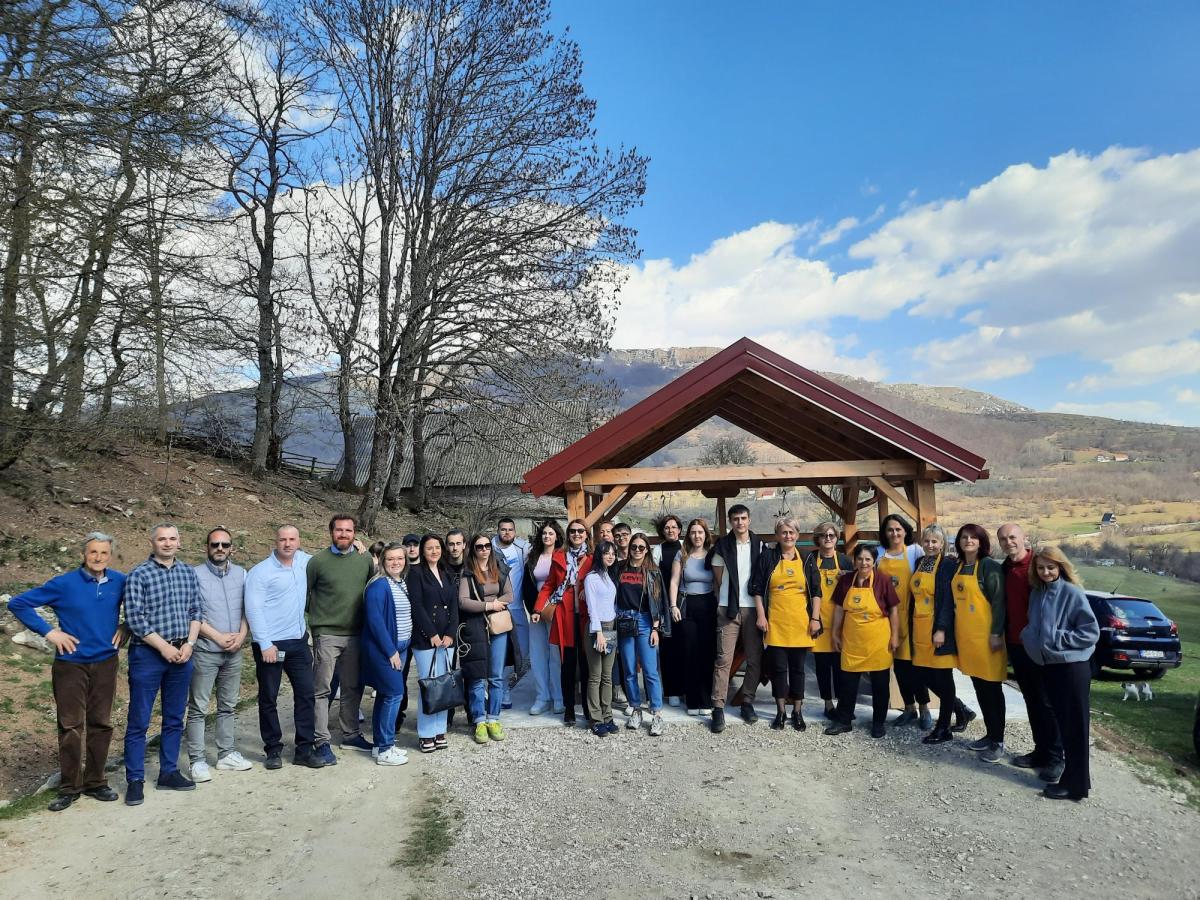
On the first day, students visited the birth house of Saint Basil of Ostrog in Mrkonjići, as well as Tvrdoš Monastery, where a tourist guide introduced them to the rich historical heritage of the monastery and the wider area of Herzegovina and Trebinje. The trip continued with a visit to the Kisin rural household, followed by the Kovačević household, which specializes in beekeeping. Students were warmly welcomed by Milica Kovačević, President of Slow Food Convivium Trebinje – Herzegovina, during which a honey tasting of local products was organized.
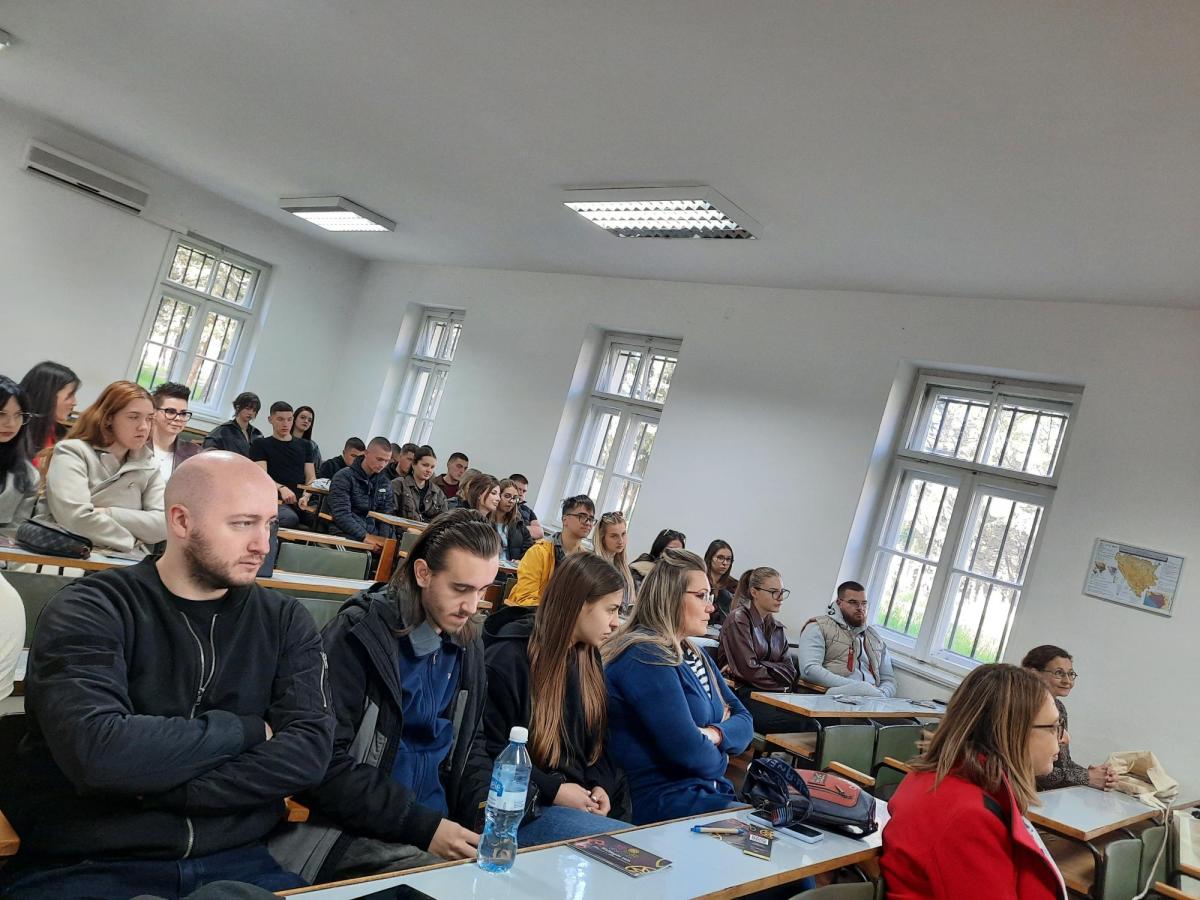
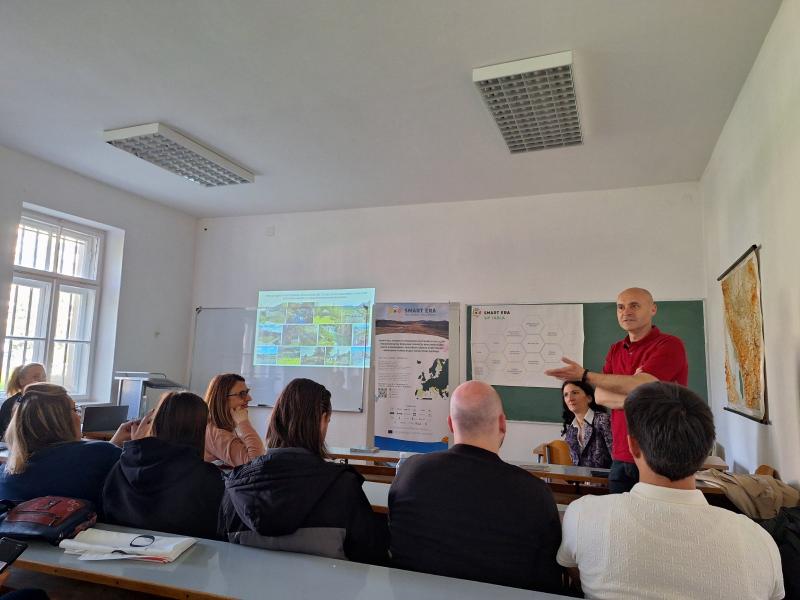
On the second day of the study visit, students had the opportunity to exchange knowledge and experiences with colleagues from the Higher School of Tourism and Hospitality in Trebinje. The results of the SMART ERA project were presented, and students also learned about the work of Alterural – an association of the most beautiful villages in Bosnia and Herzegovina. The visit was further enriched by the presence of students from the Trebinje Center of Secondary Schools, Tourism and Gastronomy Department, who actively participated in the lectures.
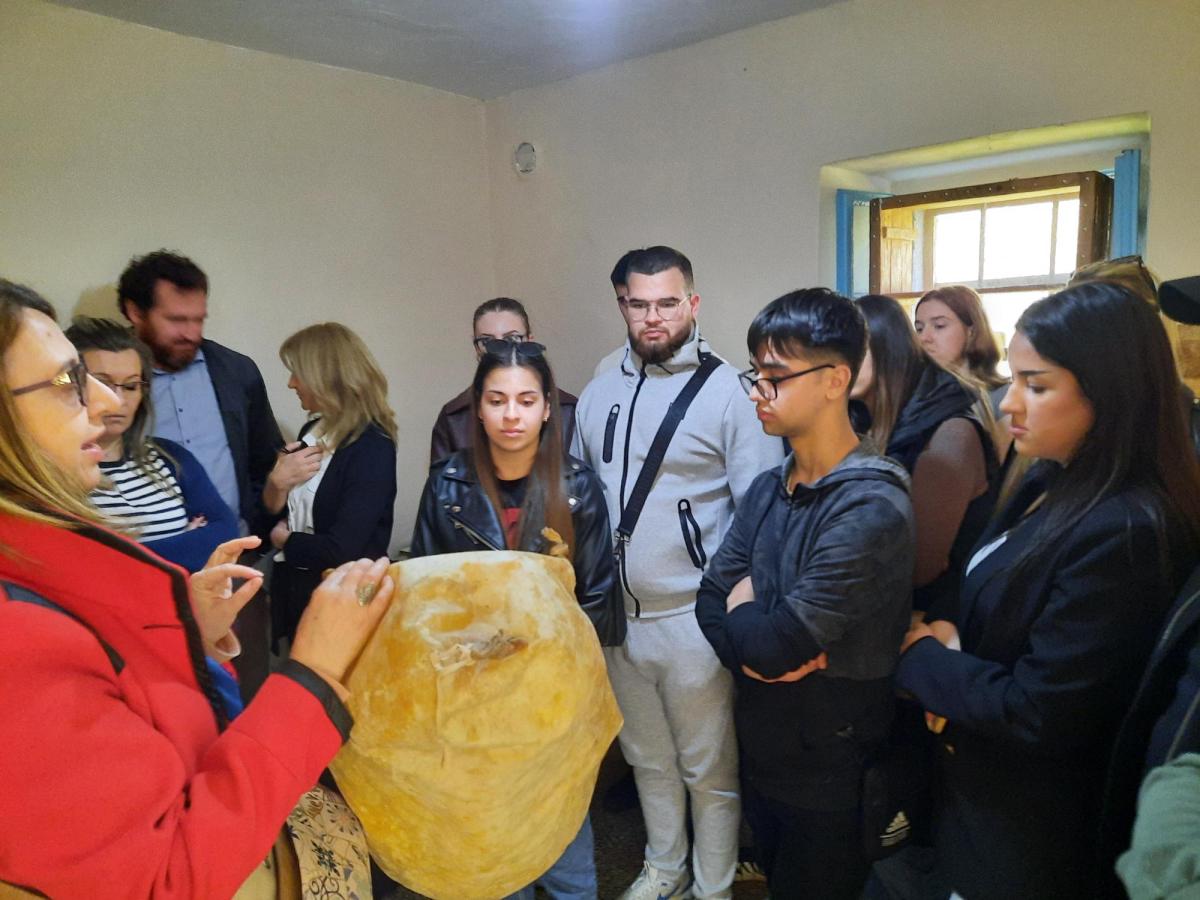
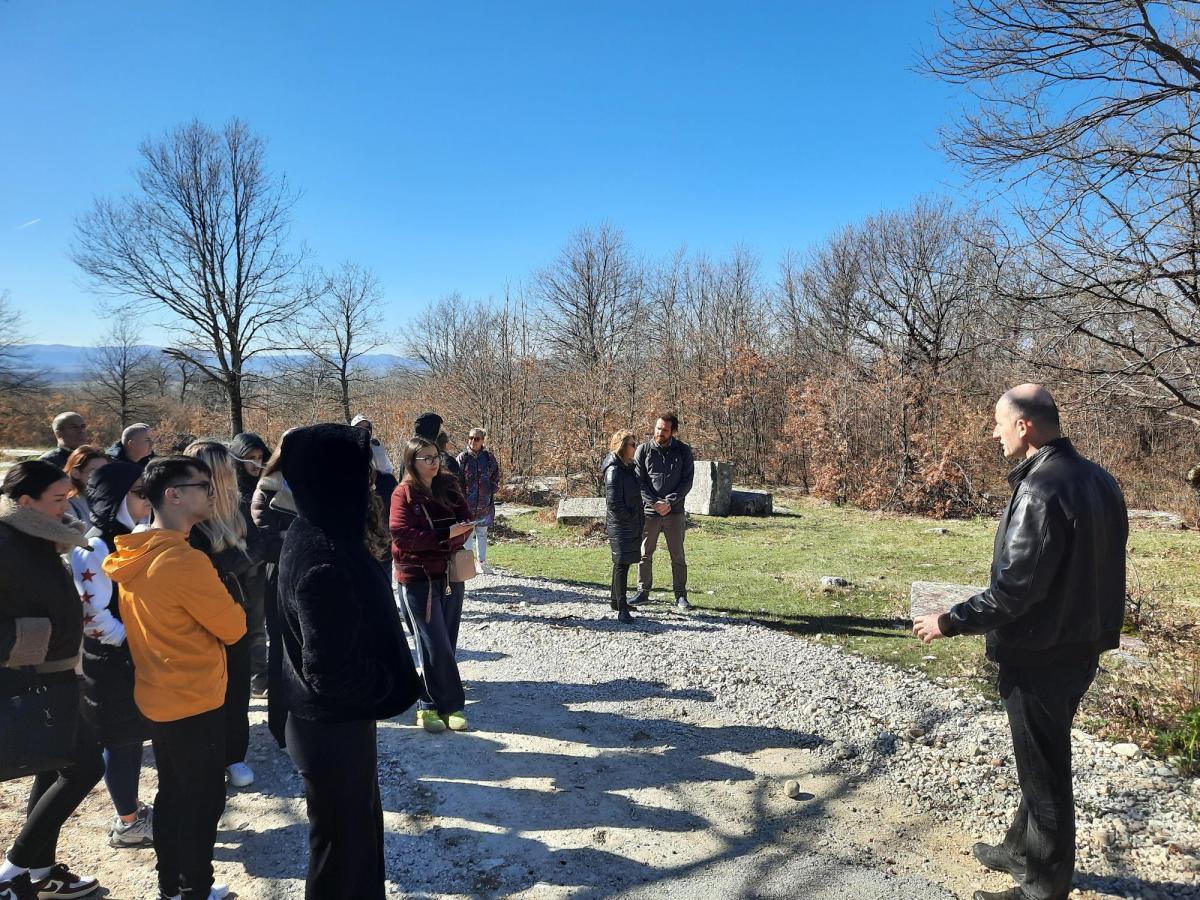
Continuing their journey, students visited the Dželetović agricultural farm in the village of Čepelica near Bileća, where they learned about the production process of traditional cheese from sacks and enjoyed a tasting of local products. The tour continued along Bileća Lake and the necropolis of stećci above the lake, including a guided walk through the town center led by representatives of the Tourist Organization of Bileća Municipality.
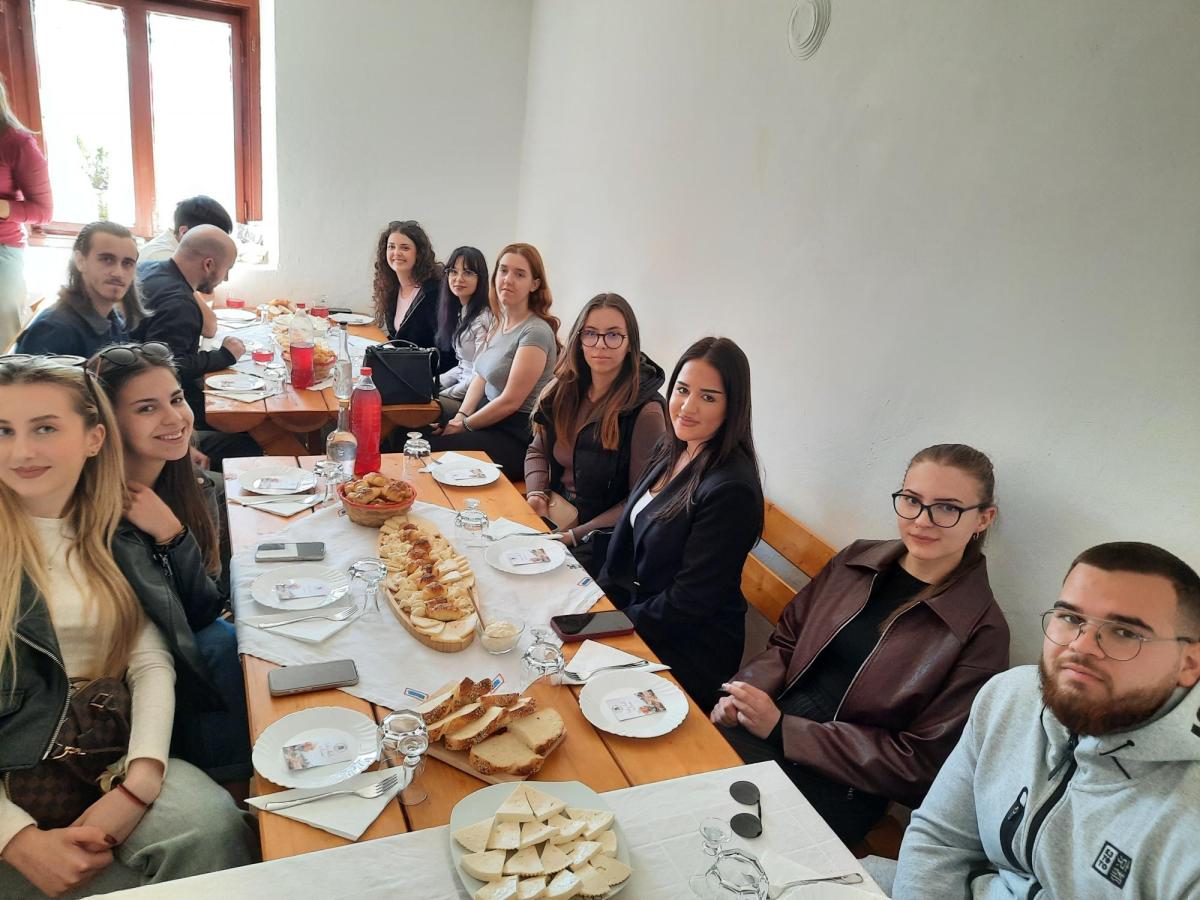
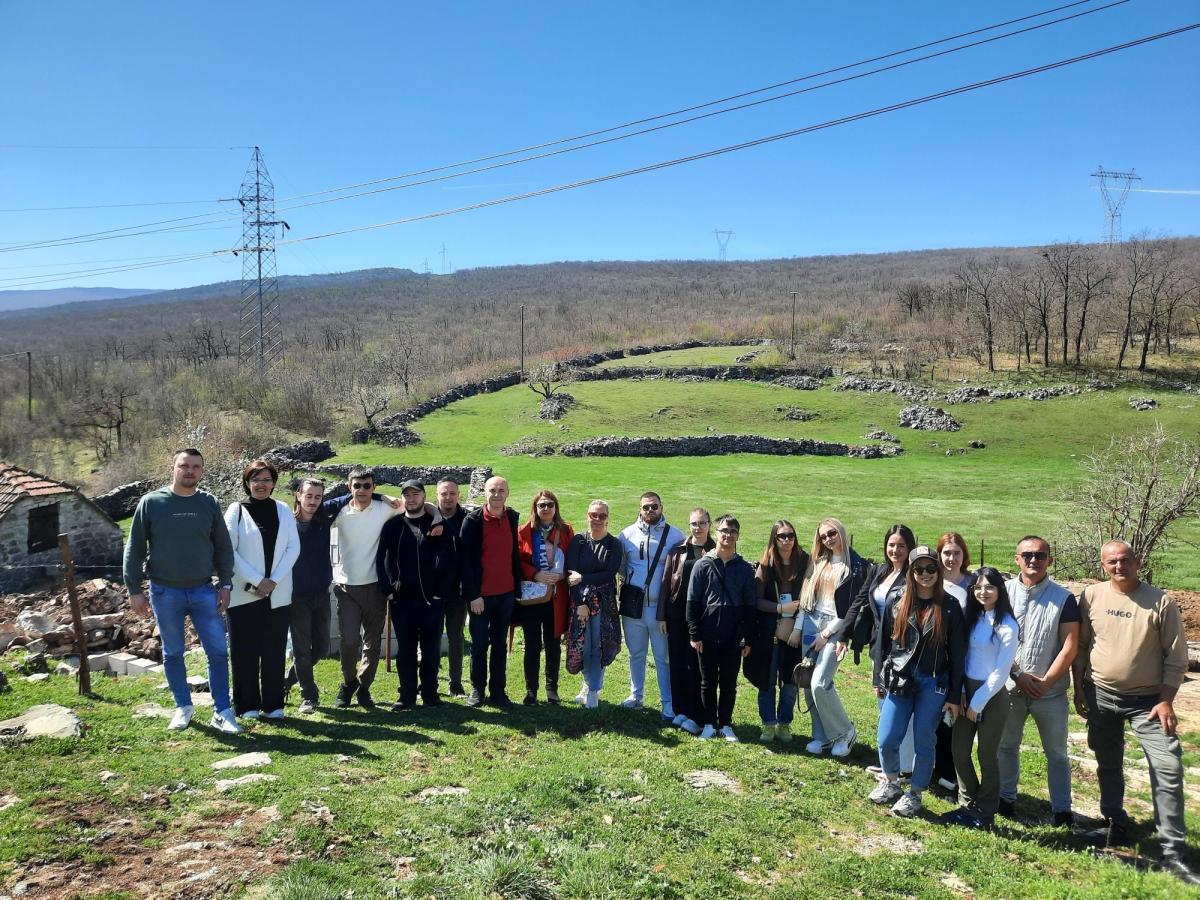
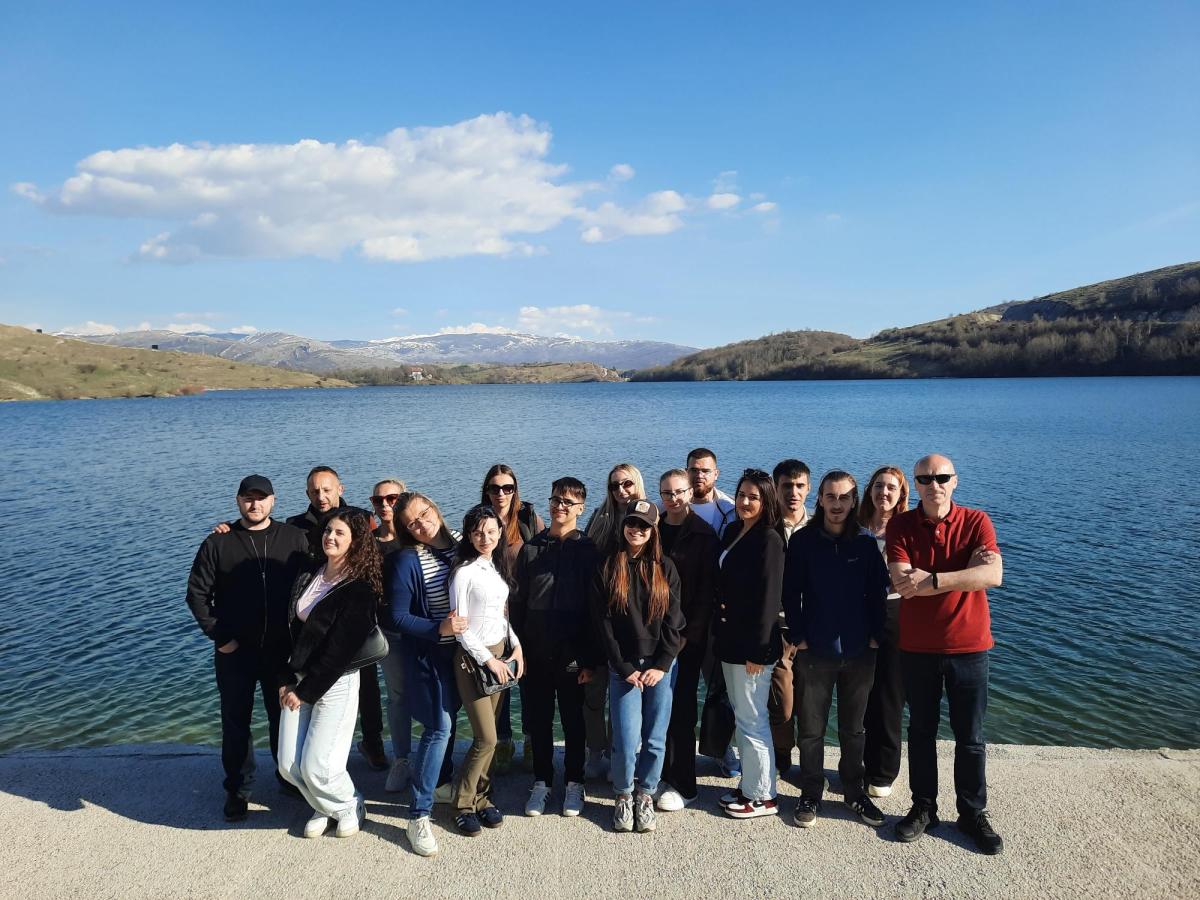
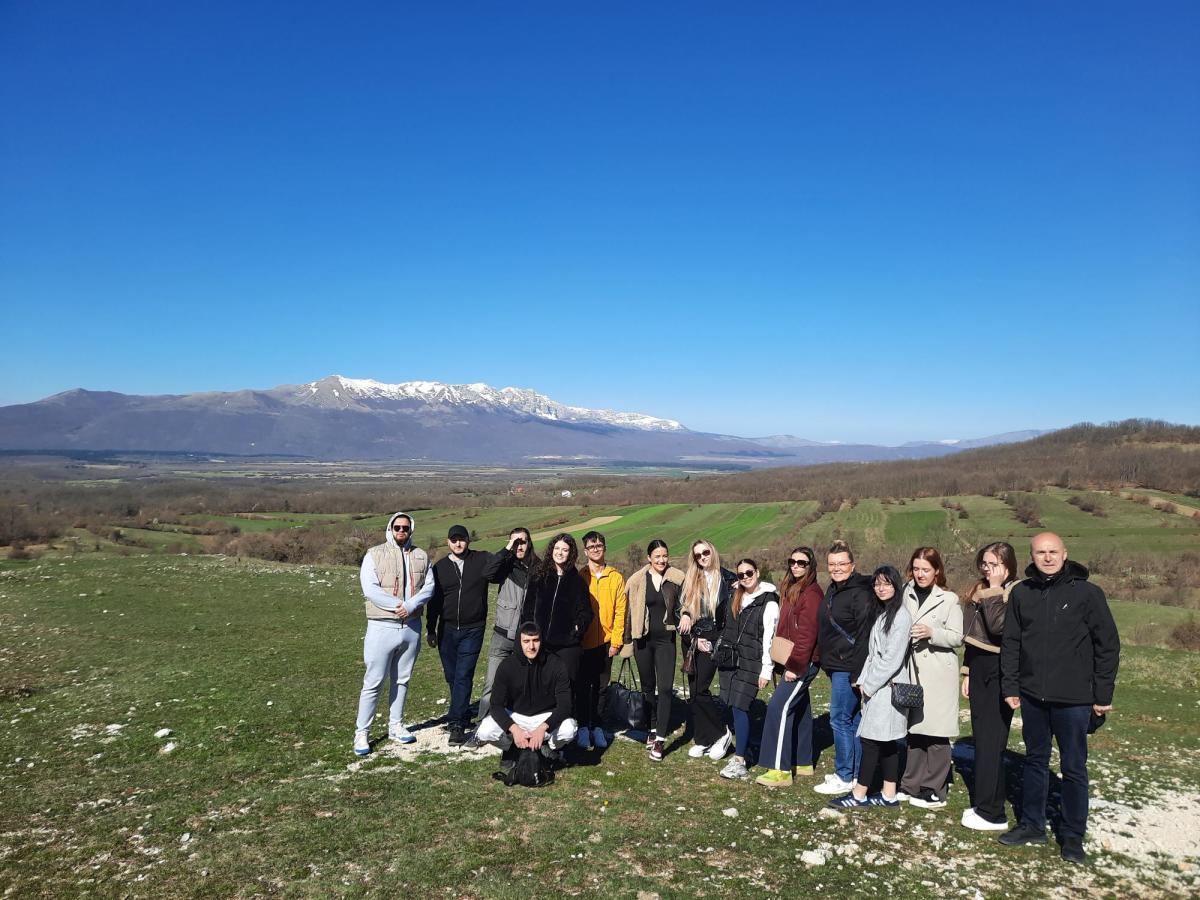
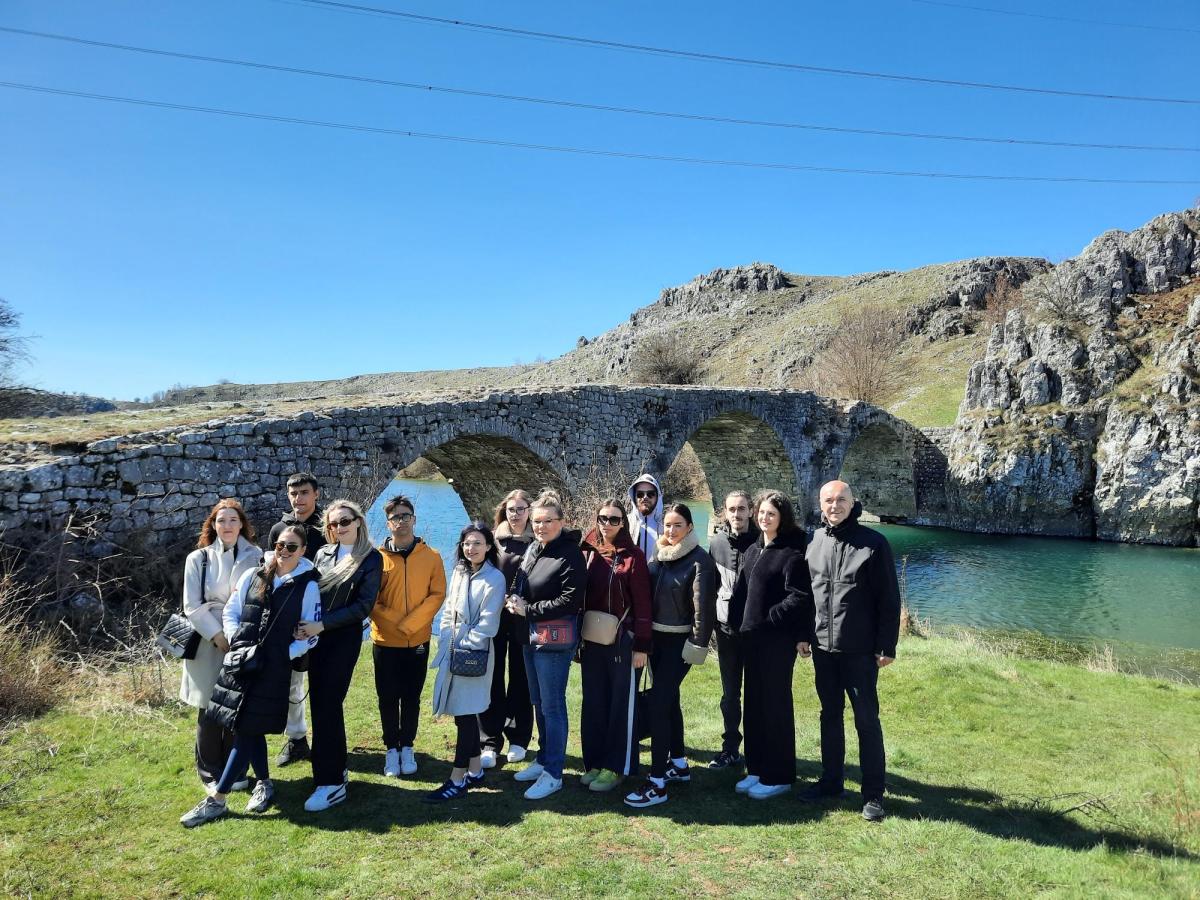
Next, the group traveled to Gacko, to the village of Vrba, where hosts from the Gacko Kajmak Producers Association welcomed them with a traditional lunch. Following this, they visited Vrba and Klinje Lakes, home to the oldest arch dam in the Balkans. The study visit continued through Nevesinje, including a visit to the stećci necropolis at the Kalufi site in the village of Krekovi, the starting point of the Nevesinje Uprising; the village of Bratač – one of the most beautiful villages in Bosnia and Herzegovina; and the Ovčiji Brod site with an old bridge and remains of a Roman road. Knowledgeable guides from the Tourist Organization of Nevesinje Municipality introduced students to the rich and interesting history of this region.
This study visit demonstrated that Eastern Herzegovina, with its rich natural and cultural-historical heritage, represents an excellent area for learning, research, and practical application of knowledge in rural tourism. By connecting the academic community, local producers, and tourist organizations, students gained valuable experience and a clearer understanding of the importance of sustainable development and preserving authenticity. Such forms of field-based teaching confirm that the most valuable lessons are learned directly on-site – through contact with the environment, local people, and their traditions.
Authors: Prof. Dr. Draško Markinović and Prof. Dr. Aleksandra Petrašević